The Blog on sofa cover
From Fabric Sample to Finished Room: Choosing Sofa Covers and Bedding That Work Together
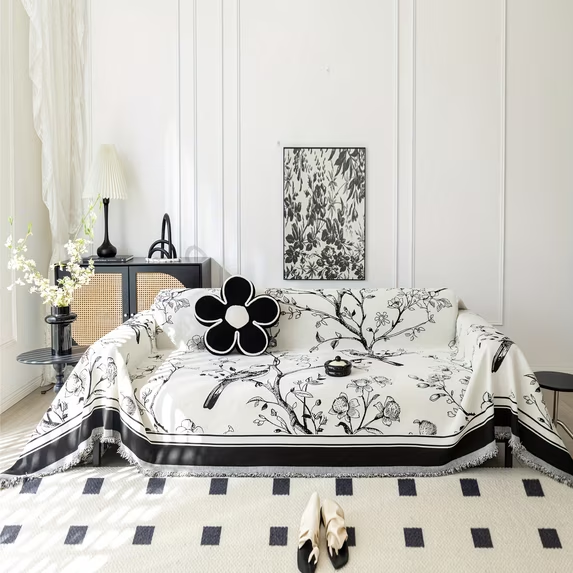
A fabric swatch can seem beautifully soft and visually elegant, yet still prove unsuitable for the product you intend to make. After the fabric is shaped around a sofa, constructed as a cover or used for bedding, its behaviour can change considerably. The material's weight affects the way it falls, the visible surface changes with the lighting, and its construction plays a role in how easily it can be cared for.
Deciding on a sofa cover, sofa panel or bed cover consequently goes beyond selecting an attractive colour. What matters more is how the completed item will function throughout an ordinary week. A room that accommodates regular family gatherings places different demands on furnishings than a bedroom mainly prepared for occasional visitors.
Considering these familiar everyday circumstances makes it easier to evaluate holland velvet, mosha velvet, quilting and embroidery without depending entirely on visual appeal. It can also stop minor sampling choices from developing into costly issues when the final products arrive.
Consider Everyday Activities in the Room First
Before you begin comparing fabrics, identify how each furnishing is likely to be used. A sofa where someone reads briefly each evening experiences different levels of use from one that remains occupied throughout the day. Regular movement, pets, food and exposure to direct sunlight all affect which characteristics deserve priority during selection.
When choosing a sofa cover, determine whether it is intended mainly to protect the furniture, a visual refresh or an easily removed layer used occasionally. These purposes can exist together, but one usually carries the greatest importance. For protection, dependable coverage and stable positioning are important, but a cover intended mainly for decoration may give greater importance to its drape.
When assessing bedding, separate the finished appearance of the bed from the comfort someone needs during sleep. The main purpose of a bed cover may be to provide a well-arranged top surface, but a comforter is commonly used to provide insulating warmth. Understanding which function is most important helps avoid excessive weight and unnecessarily elaborate layering.
Put these expectations into specific, everyday words. The description “easy to remove and dry” is more informative than the vague phrase “premium quality” because it refers to a characteristic that can actually be tested.
Read a Fabric Sample Beyond Its Colour
A small fabric swatch can reveal its texture, although it does not reveal all the characteristics of the finished piece. Examine it standing up, lying flat and draped over a rounded shape. Such simple adjustments help indicate whether the material falls softly, holds its structure or creates noticeable bulk when folded.
Look carefully at the visible surface and the underside. Its reverse construction can affect structural stability, overall thickness and ease of stitching. A material that looks attractive on the surface may not work well with every construction process, particularly when multiple layers come together around seams or corners.
While reviewing holland velvet, focus on the precise material offered without assuming the product name establishes fixed material characteristics. Fibre composition, backing, pile properties and finishing processes may differ between products. Use an equally detailed assessment for mosha velvet, examining the product details together with a representative swatch.
Examine the swatches under the type of light they will experience. Daylight and lamps used after dark can make underlying colours appear different. A neutral fabric that appears invitingly warm as a small swatch might appear noticeably cooler when placed next to the room's furniture or floor.
Include Fabric Direction in Your Design Planning
Velvet can look lighter or darker depending on the direction from which it is viewed. The variation is often most apparent where separate fabric sections sit alongside one another, where inconsistent cutting directions can produce an unintended patchwork effect although the entire furnishing uses material from the same roll.
When designing a sofa panel arrangement, decide on the intended pile direction before cutting. The direction of every exposed section should be selected deliberately. If different pile directions are intentionally being used as a design feature, the approved sample should make that decision clearly visible.
The same consideration extends to detachable cushions and separate coverings. Fabric components that seem identical in a horizontal position might appear noticeably different when arranged against an upright back cushion or positioned horizontally across the seating area.
Test the material using the kinds of handling it will encounter. A pile fabric's appearance may change briefly after gentle pressure or brushing. Ask about normal surface changes and the correct way to care for the fabric. Recognising ordinary variations in the visible surface helps distinguish expected visual changes from actual production faults.
Fit a Sofa Cover to Movement as Well as Measurements
A sofa is not an entirely fixed, unchanging structure. Its cushions compress, people change positions and armrests interrupt the route of the fabric. Using nothing beyond the general width and height may therefore fail to identify significant fit-related problems.
Document the seating depth, height of the back, shape of the arms and arrangement of cushions. Determine which cushions remain fixed and which can be removed, together with any moving parts built into the sofa. A properly planned covering needs to allow all movable areas to function freely without the material becoming taut around the joins.
Plan the placement of fabric allowance around the furniture. Too little material can produce tension around curved areas and corners, whereas too much material might bunch together or shift towards the front edge. A fitted, tailored design needs different measurement decisions than when preparing a loosely draped cover.
Whenever possible, carry out a trial fitting, followed by several ordinary sitting and standing movements. Look for movement of the cover, uncovered seating areas or awkward ridges forming in the fabric. This hands-on check can expose practical shortcomings which a neatly arranged product image may not show.
Removal and replacement deserve attention too. A covering that sits attractively yet proves difficult to replace may be impractical when regular cleaning is necessary.
Consider Quilting as a Structural Feature as Well as a Design
Quilting connects separate fabric layers with stitching, forming a textile surface that may offer added body, surface detail and a recognisable visual pattern. Its finished appearance and behaviour reflect the face fabric, filling material, backing, stitch layout and overall manufacturing quality.
Tightly arranged quilting lines may produce different characteristics than widely separated stitching. However, the pattern's appearance alone does not establish comfort, warmth or resistance to wear. Examine a complete sample that includes every layer because an identical stitching pattern may perform differently with a changed filling or backing.
When applying quilting to a sofa cover, assess how easily it bends around armrests and the edges of the seating. An overly thick quilted structure may interfere with a neat fit, most notably around narrow areas used for securing or tucking the cover.
For bedroom textiles, assess the relationship between softness of movement and shape retention. The bed cover needs to fall correctly along the sides of the mattress while remaining manageable for folding and storage.
Check the reverse surface with the same care as the front. Uneven stitching tension, loose thread ends and unwanted puckering may signal faults that become easier to notice on a larger finished piece. A visually pleasing design is worthwhile only if the construction maintains its quality.
Assess How Multi Needle Production Affects Finished Textiles
Multi needle machinery can produce repeated stitching designs across layered fabrics. The usefulness of this method holland velvet depends on the relationship between equipment settings, fabric materials and pattern design. The manufacturing technique alone cannot confirm the standard of the completed product.
As you review a sample, determine whether the recurring design remains correctly spaced and aligned. Watch for missed stitches, uneven thread tension and places where the textile layers have moved. Checking these features is more informative than judging the production method from its machinery description alone.
Pattern placement should also be evaluated after individual pieces are cut. A stitch design that looks proportionate across a wide, uncut fabric length may become visually awkward on a slim sofa panel or close to a bed cover edge. For this reason, the cutting arrangement needs to account for the exposed pattern repetition.
With larger orders, base approval on a finished sample that represents the intended item instead of judging only a continuous, uncut quilting sample. The representative piece needs to incorporate the specified edging and stitched joins, because seams and edging can add bulk and affect the completed dimensions.
Place Embroidery Where It Can Remain Comfortable
Embroidery uses thread to add decorative features to a textile surface, and the choice of placement can change both its visual effect and practical comfort. A stitched motif on a cushion face is subjected to different pressures from embroidery located directly beneath someone seated on a sofa.
Evaluate how dense and textured the embroidery design is. Heavy or elevated stitching may produce a noticeably firm contact surface. With furniture intended for daily seating, choosing a less prominent location outside the usual contact zone may create a more suitable compromise between decorative appeal and comfort.
Inspect the material around each stitched motif for pulling or changes in shape. Dense threadwork may draw a thin base material towards the centre of the motif unless the fabric and stabilising method are suitable. For raised-pile textiles, the stitching needs sufficient visual clarity to remain visible on the fabric surface.
Examine the underside together with any lining intended to separate stitching from the body. Unsecured thread ends and coarse or uneven sections should be addressed before approval.
A coordinated interior does not require every furnishing to feature embroidery. Applying one recurring design to carefully chosen furnishings can connect the room visually while leaving plain areas to provide balance.
Separate Bedding Appearance from Sleeping Comfort
Both a bed cover and a comforter may contribute to the overall appearance of a made bed, but each should be evaluated according to the purpose it is meant to serve. As the names used for bedding items can vary, confirm the actual materials and construction rather than trusting the name alone.
For a top layer intended mainly for decoration, assess its size, drape and mattress coverage. A thicker mattress or a preference for more fabric hanging down the sides can make a substantial difference to the appropriate bed cover measurements.
For a comforter, review the type of filling, complete construction and recommended care. Its warmth is influenced by several characteristics, including filling and loft; the total weight cannot independently establish which of two products will be warmer.
Take account of how the bed will be made and used by the household. A heavier bedding combination may look impressive yet become difficult to handle when changing, cleaning or putting it away. Multiple decorative layers may also serve little purpose if they must be removed each night before sleeping.
Choose a combination suited to the way the bedroom is used each day. The most effective selection stays usable and comfortable after the first carefully styled presentation.
Test the Care Routine Before Committing
Care considerations need to form part of the selection process from the beginning. Check the maintenance instructions that apply to the final product, since the face material, internal layers, stitched decoration and finishing details can have different care needs than an individual fabric sample before construction.
If the care instructions permit it and the method is appropriate, clean a representative sample with the same procedure planned for regular care. Afterwards, compare the size, colour, texture and stitching with their original condition. A slight alteration in both length and width can significantly influence how a closely fitted sofa cover sits.
Drying requirements should be evaluated with the same care. Bulky layered furnishings can be difficult to dry in households with limited room, while an ordinary household machine may lack the capacity for some items. Account for these limitations before selecting particularly bulky bedding.
A fabric protection finish should not be taken as evidence of resistance to every stain or cleaning substance. How the material responds will depend on both the applied finish and the substance it encounters.
Keep the confirmed maintenance information with the furnishing's specification. This provides a dependable reference for future cleaning while helping prevent unintended damage caused by guesswork.
Approve the Whole Piece Before Repeating It
If a number of matching items are required, evaluate the decisions through a representative completed product. Colour, pile direction, sizing, pattern position and edge finishing must be assessed in combination rather than in isolation rather than being approved individually without checking how they work together.
Place the finished example where it will be used and look at it from everyday positions. Use the covered seating, fold the bedding as normal and inspect how the edges and corners sit. Such routine movements can provide more practical insight than spending a long time studying a flat piece of fabric.
Record the accepted details in precise language, noting dimensions and any permitted variations. Where practical, retain a reference sample, particularly if additional items will need to coordinate with the original pieces.
This last review provides another chance to simplify the design. Reducing excess thickness or limiting decorative details may make the furnishing easier to use without compromising the overall appearance.
Conclusion
Well-chosen furnishings begin by identifying exactly how they will be used. Evaluate a sofa cover for its fit and behaviour during movement, assess velvet by inspecting the specific fabric being supplied, and evaluate quilting and embroidery in relation to the entire finished furnishing. With bedroom textiles, consider style alongside sleep comfort and realistic maintenance needs. By making these decisions carefully, an attractive material can become a functional finished piece that remains suitable after the room has been used regularly.